
11 Years, 2 Locations, and 5 Big Lessons: What I Wish I Knew Before NoHo
It all begins with an idea.
Back in August 2015, that idea was a little wild, a lot of work, and tucked into the heart of the NoHo Arts District. By November 2015, the doors were open. I was officially a business owner.
I was an entrepreneur. I was, quite frankly, terrified.
Fast forward eleven years, and we’ve grown into three thriving locations in Burbank, Toluca Lake and Glendale.
But the road from that first NoHo space to where we are now wasn't paved with perfect Instagram aesthetic and easy wins. It was paved with steep learning curves, late-night spreadsheets, and a lot of "I wish I’d known that sooner." If you’re a small business owner, a remote worker, or an entrepreneur just starting your journey, this is for you. Whether you’re looking for a private office or just trying to survive your first year, here are the five things I wish I knew before I signed that first lease in NoHo.
1. The Math of Survival (The 82% Rule)
Let’s talk numbers for a second.
Did you know that 82% of businesses fail because of cash flow issues? When I opened in NoHo, I had the passion. I had the vision. But passion doesn’t pay the electric bill. I quickly learned that "revenue" and "profit" are two very different animals. In those early days, I underestimated how much of a buffer I really needed. It’s easy to get caught up in the excitement of a new launch, but the "buffer" is your best friend.
Things will break.
Rent will go up.
A global pandemic might happen (looking at you, 2020).
And you may need to close a location like we did during Covid.
If you don’t have a handle on your cash flow, your dream can disappear before you’ve even had your first anniversary. Don’t just plan for the best-case scenario.
Plan for the "everything went wrong and the coffee machine exploded" scenario. Be clear, be confident, and get comfortable with your numbers.
2. Market Demand vs. Your Daydream (The 42% Rule)
Another staggering stat: 42% of small businesses fail because they misread market demand. When I first conceived The Muse Rooms, I had a specific idea of who would use the space. I thought it was just for the "creatives": the writers, the actors, I mean this is Hollywood.
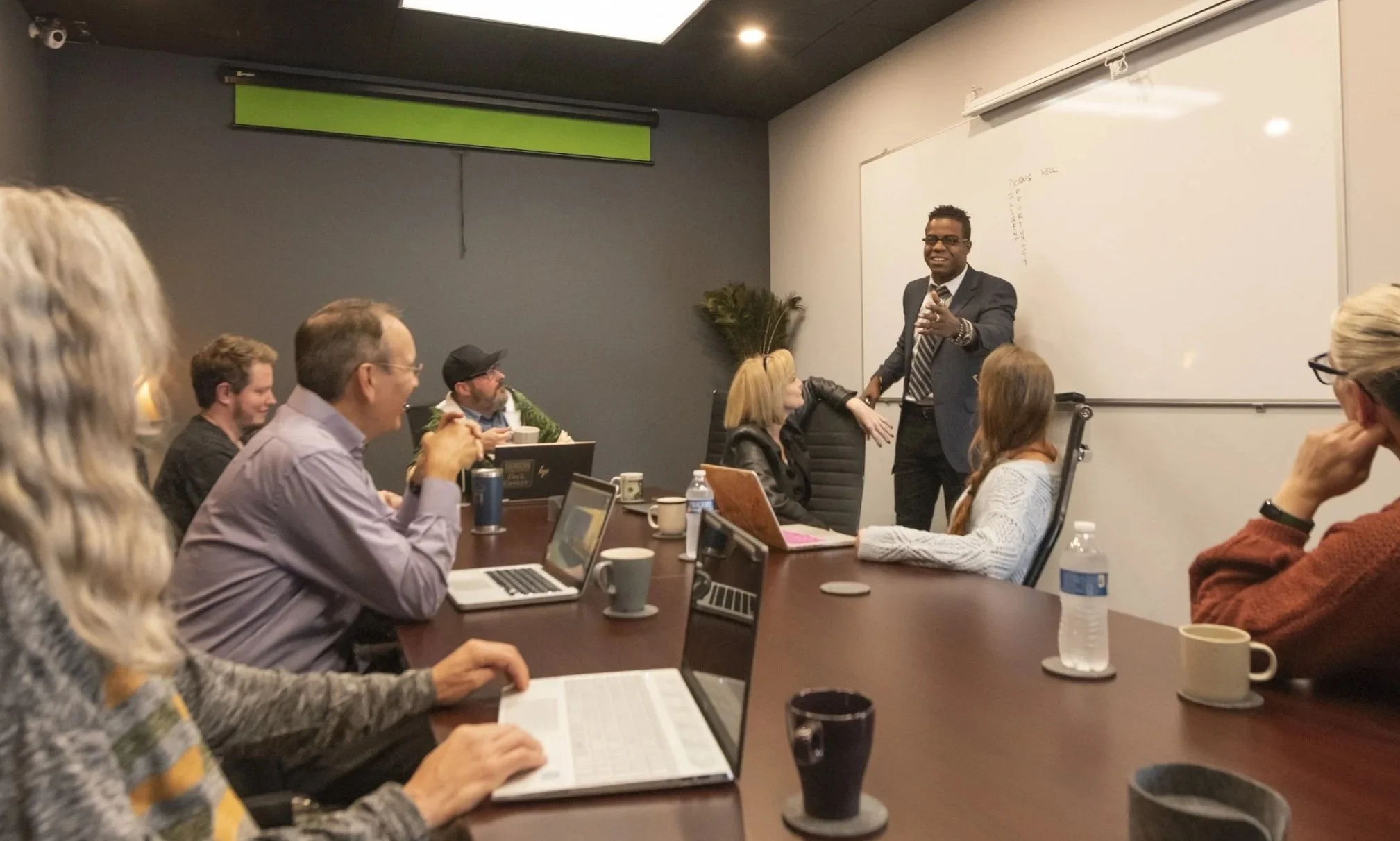
And while we love our artists, I quickly realized that the world of coworking is so much broader. I saw lawyers, accountants, tech developers, and remote corporate workers walking through our doors. They didn't just want a "vibe"; they wanted reliability. They needed high-speed fiber internet, a professional boardroom to host clients, and a place where they could actually get work done without their neighbor's dog barking in the background. I had to learn to listen to the market rather than sticking stubbornly to my initial daydream.
If you’re starting a business, ask yourself: Am I building this for me, or am I building this for them? Your business needs to solve a problem for your community. If it doesn't, it’s just a hobby.
3. The "DIY Trap" is a Real Danger
I’m a small business owner. I’m an entrepreneur. And like many of you, I have a "I’ll just do it myself" complex. In the beginning, I was the janitor, the IT department, the marketing manager, and the receptionist. I thought that doing everything myself was the only way to ensure it was done right. I was wrong. This is the DIY Trap, and it leads straight to Burnout City.
Trying to do everything yourself means you aren’t actually running your business; you’re just working in it. You lose the ability to see the big picture. You stop being the visionary because you’re too busy fixing a jammed printer. Delegation isn't a sign of weakness; it’s a sign of growth. Whether it’s hiring a dedicated team or using tools to automate your workflow, you have to let go. You have to trust. Sound like you? Then start letting go of the small stuff so you can focus on the big stuff.
4. Operations are the Unsung Hero
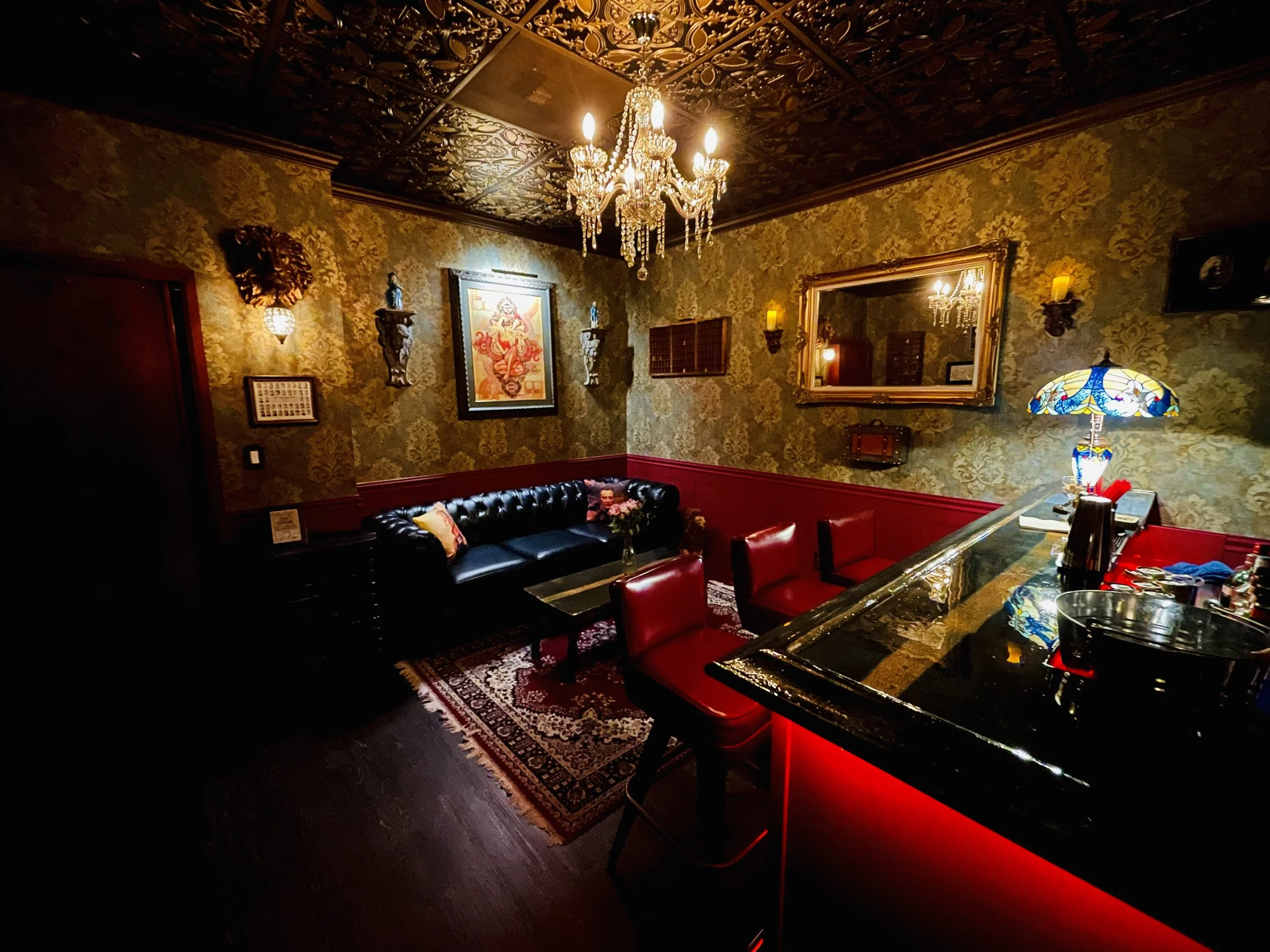
When people think of coworking, they think of the aesthetic. They think of the cool desks and the Speakeasy.
But after 11 years, I can tell you that the "pretty" stuff is only about 10% of the job. The other 90%? Operations.
I underestimated the sheer volume of operational workload involved in running three locations. It’s the constant maintenance, the security protocols, the supply chain for the kitchen and break area, and the relentless need for uptime on the WiFi.
If your operations aren't seamless, your members will notice. A beautiful office with slow internet is just a room with pretty furniture.
To survive 11 years, you have to fall in love with the systems. You have to care about the "boring" stuff as much as the "inspiring" stuff.
It all begins with a system. Build yours early.Suggested caption: A glimpse into the daily operations that keep our spaces running smoothly for our members.
5. Community is the Secret Sauce (It’s Not Just a Desk)
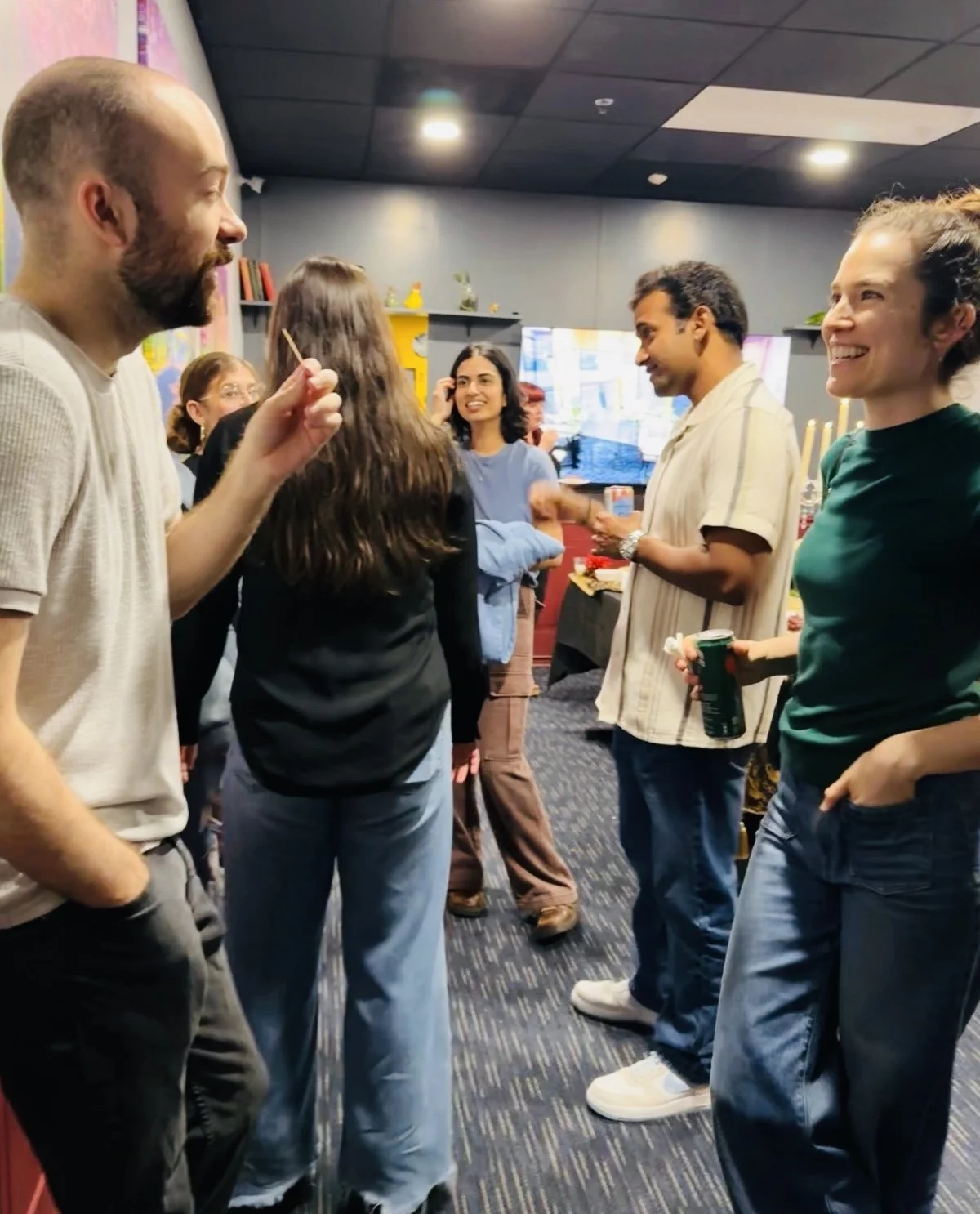
If I could go back to 2015 Nancy and tell her one thing, it would be this: You aren't selling desks. You're selling belonging. In a world of remote work and digital isolation, people are starving for connection. We aren't just a place to plug in a laptop. We are a place where a solo entrepreneur can have a "water cooler" conversation. We are a place where a small business owner can find a mentor or a collaborator.
The "vibe" isn't just about the paint on the walls; it’s about the people inside them. We’ve hosted community events that have sparked lifelong friendships and business partnerships.
That’s the real magic.
We are inclusive of everyone: the startup founder, the remote accountant, the freelancer, and yes, the creative. Being a small business owner myself, I know how lonely it can feel. Building a space that combats that loneliness has been the most rewarding part of the last
11 years.Eleven Years and Just Getting Started
Looking back at that first day in North Hollywood, I see a woman who didn't know how much she didn't know. And that's okay.
If you’re in the middle of your first year, or even your eleventh, don't worry about sounding professional. Sound like you. Don't overthink the mistakes: they are just data points for your next big win.
Running a business is an evolving project. It’s never "finished." You’ll make mistakes, you’ll misread the market, and you’ll definitely fall into the DIY trap a few times. But you’ll also grow. You’ll build something that matters to your community.
Be clear.
Be confident.
Don't overthink it.The Muse Rooms has survived and thrived because we learned to listen, we learned to pivot, and we learned that we’re all in this together.
Whether you're in Glendale, Toluca Lake or Burbank, know that your journey is valid. Later will take care of itself.
It always does.
